
 See Our Latest Article on HelloNation
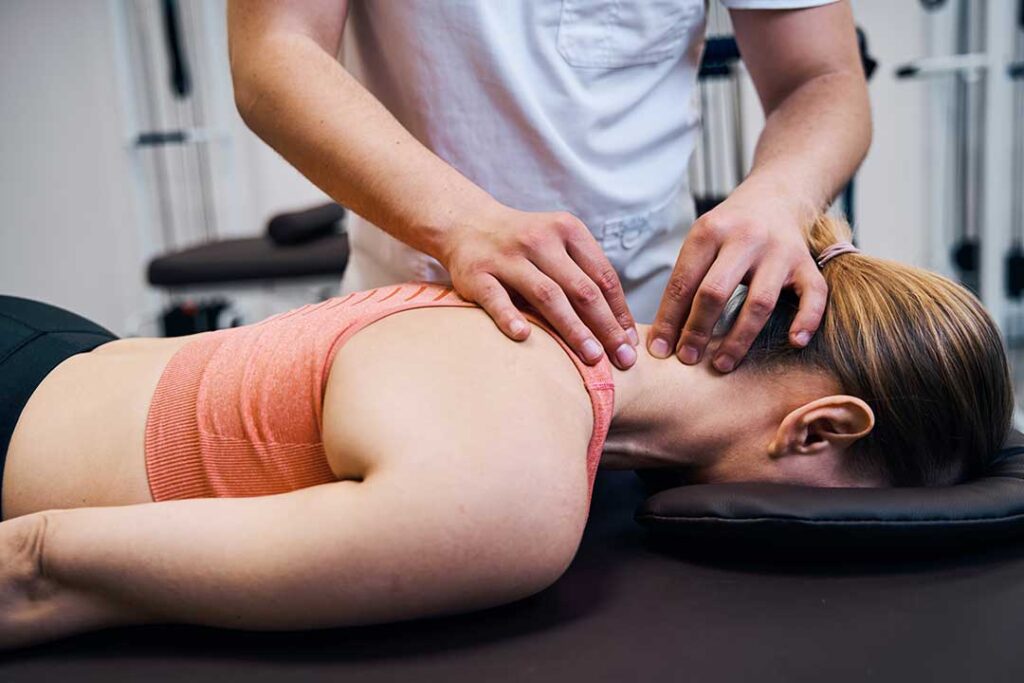
How Are Foot Pain and Spinal Alignment Connected?
Foot pain and spinal alignment are often related because the way your feet function can influence the positioning and health of your spine. When the arches of the feet, ankles, or walking patterns are off balance, they can create a ripple effect that travels up through the legs, hips, and spine. Over time, imbalances that start in the feet can lead to discomfort and pain higher up in the body, including the lower back and neck.
This connection can surprise many people in North Tonawanda, especially those dealing with joint or back issues without realizing their feet could be a factor. Understanding these links can help area households better address chronic pain and prevent new problems from developing.
Why Do Foot Issues Affect the Spine?
The feet provide the foundation for your entire body. If one foot rolls inwards (overpronation), arches are flat, or there is an old injury, your body has to compensate to stay level and balanced. This compensation changes how force travels through your ankles, knees, hips, and eventually your spine. Over time, even minor gait or foot structure issues can contribute to spinal misalignment.
Common foot problems contributing to spinal issues include:
- Flat feet or high arches
- Bunions, hammertoes, or other alignment shifts in the toes
- Old sprains or injuries never fully addressed
- Uneven leg length due to foot or ankle issues
Locally, older homes in North Tonawanda with hard flooring, or outdoor activities on uneven terrain, may further highlight the need for proper foot and spinal alignment.
What Symptoms Could Indicate a Link Between My Feet and My Spine?
Residents who struggle with persistent foot pain and also notice back, hip, or knee discomfort may be experiencing a connection between these body parts. Signs to watch for include:
- Lower back pain that worsens after standing or walking
- Hip or knee discomfort not traced to a clear joint problem
- Repeated ankle injuries or unsteady walking
- A feeling of “leaning” or standing unevenly
Sometimes, the connection may be subtle—like unexplained soreness in the morning or after long walks along the local waterfront or parks. It’s easy to overlook the feet when tracing the source of discomfort higher up the body.
Could My Shoes Be Part of the Problem?
Yes, footwear can play a major role. Shoes lacking arch support, worn soles, or overly soft cushioning allow the feet to move unnaturally, placing extra strain on the spine. In the city, sandals worn in summer or heavy boots during winter can each pose their own challenges if they don’t fit right or support the feet properly.
Tips for area households:
- Check for uneven wear or compressed spots on shoes
- Replace shoes regularly, especially for those who walk frequently in local parks or trails
- Consider extra support if walking or standing for long stretches at school or work
How Might Weather Affect Local Foot and Back Health?
Seasonal changes in North Tonawanda can influence how foot issues relate to spinal health. Cold weather can stiffen foot and leg muscles, making imbalances more pronounced. In icy conditions, altered walking patterns to stay safe can shift body alignment. Hot, humid days might increase swelling in feet, changing how shoes fit and how weight is distributed.
Practical local examples:
- Ice and snow in winter can increase slips, causing new injuries or changing natural gait
- Barefoot activities in summer, like gardening or playing in grass, can increase foot strain if arches aren’t well-supported
What Can Local Residents Do to Support Healthy Feet and Spine?

Maintaining flexibility and strength in the feet and legs can help prevent stress on the spine. Start with simple routines to stretch calf muscles and arches, and pay attention to any new aches. Area residents should also inspect feet and shoes regularly for signs of wear or pain points.
Simple strategies include:
- Stretching the calves and bottom of the feet before and after activity
- Using footwear that is well-cushioned and appropriately supportive for the activity and season
- Listening to the body and noting recurring aches after local sports or household chores
For those with persistent pain or a history of injuries, monitoring how different surfaces—like older hardwood floors or city sidewalks—affect comfort levels can help pinpoint contributing factors.
What Are Common Misconceptions About the Foot-Spine Relationship?
A frequent misconception is that foot pain is isolated and unconnected to back or hip health. Many area residents believe back discomfort comes only from heavy lifting or obvious injury, not from subtle, long-term changes in walking or standing posture.
Other common misunderstandings include:
- Assuming flat feet are only a childhood issue
- Believing expensive shoes always prevent pain (fit and support matter more)
- Overlooking the impact of household floor surfaces (tile, hardwood, carpets) over time
Awareness of these points supports a more holistic approach to joint, foot, and back health.
When Is It Necessary to Seek Professional Help?
Self-care and attention to daily habits can resolve many minor issues. However, if pain is severe, suddenly worsens, or involves numbness, weakness, or changes in walking ability, it may reflect a more complex problem that should be promptly addressed.
Immediate help is warranted if:
- There’s loss of sensation or coordination
- Severe pain prevents normal standing or walking
- Visible deformity or sudden injury occurs
