
 See Our Latest Article on HelloNation
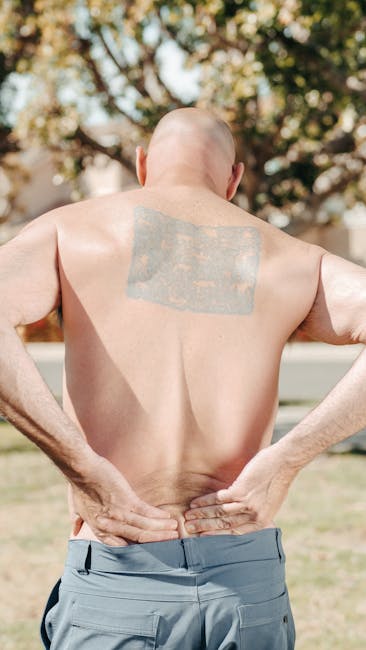
Living with chronic pain can be challenging, especially when it starts to interfere with the daily joys of life in North Tonawanda, New York. Whether you’re navigating the beautiful Riverwalk, enjoying events at Gateway Harbor, or simply trying to keep up with the demands of work and family, managing chronic pain effectively is essential to maintaining your quality of life. By adopting practical self-care techniques, you can gain better control over discomfort and improve your overall well-being.
Understanding Chronic Pain
Chronic pain is pain that persists for weeks, months, or even years. Unlike acute pain, which signals an injury or illness, chronic pain often lingers long after the original cause has healed—or can arise without a clear cause. Common sources include arthritis, back problems, nerve conditions, and past injuries. People in North Tonawanda who work physically demanding jobs or lead active lives outdoors often experience these symptoms.
Prioritize Movement: Stay Active Even in Small Ways
Residents of North Tonawanda know that our climate can pose real challenges, with icy winters and humid summers sometimes discouraging regular outdoor activities. Yet, staying active is vital. Gentle movement helps reduce stiffness, supports joint health, and releases endorphins—the body’s natural painkillers.
- Walk Local Trails: Consider gentle walks along the Erie Canalway Trail or parks like Gratwick Riverside Park. Aim for 10-20 minute strolls, even in winter—dress appropriately and use safe footwear.
- Stretch at Home: Incorporate gentle stretching or yoga, which you can do in your living room with the help of online videos.
- Join Local Fitness Classes: North Tonawanda Recreation Department often offers senior and adaptive fitness classes suitable for many pain conditions.
Mindful Practices: Manage Stress to Reduce Pain
Chronic pain is connected to emotional stress, which can worsen your symptoms. Mindfulness techniques help bring relief by calming the mind and relaxing tense muscles.
- Guided Meditation: Try downloadable meditation apps or attend a mindfulness workshop at a local community center.
- Deep Breathing: Practice deep, slow breaths while sitting comfortably—this can be useful anytime, even while watching the Niagara River or listening to birds in your backyard.
- Progressive Muscle Relaxation: Learn to tense and then relax muscle groups one at a time; this technique helps you become aware of where you’re holding tension.
Smart Nutrition: Foods That Support Healing
The diverse dining scene in North Tonawanda offers access to fresh produce from local grocery stores and farmers’ markets.
- Anti-Inflammatory Diet: Add foods rich in omega-3s (salmon, walnuts), colorful vegetables (peppers, leafy greens), and whole grains.
- Stay Hydrated: Adequate water intake helps with joint lubrication and tissue health—carry a refillable water bottle when running errands on Webster Street.
- Limit Processed Foods: Cut back on sugary or fried foods, as they may worsen inflammation.
Ergonomics: Set Up Your Home for Comfort
Many North Tonawanda residents work remotely or spend hours at a desk. Setting up an ergonomic workspace can prevent pain from worsening:
- Supportive Seating: Use a chair with good lumbar support or a back cushion.
- Proper Screen Height: Position your computer monitor so it’s at eye level.
- Frequent Movement Breaks: Stand up, stretch, and move every 30 minutes to prevent stiffness.
Temperature Therapy: Harness Nature’s Tools
The changing seasons in North Tonawanda provide opportunities to use temperature for pain relief:
- Heat Packs: Applying heat to sore areas (using a microwaveable pad or warm towel) can ease muscle tension, which is perfect after a chilly walk outside.
- Cold Compresses: Cold packs or even a bag of frozen peas can reduce swelling or numb sharp pain.
Restful Sleep: Set a Nighttime Routine
Chronic pain often disrupts sleep, and lack of sleep can make pain worse. Establish a bedtime routine that signals your body it’s time to wind down:
- Consistent Schedule: Go to bed and wake up at the same time, even on weekends.
- Comfortable Bedding: Invest in a supportive mattress and pillow.
- Create a Calming Environment: Darken your room fully and avoid screens before bed.
Stay Connected: Social Support in North Tonawanda
Living with chronic pain can sometimes feel isolating. Connect with others who understand your challenges:
- Local Support Groups: Check local community boards at the North Tonawanda Public Library or Niagara County health resources for pain support groups.
- Stay in Touch With Friends and Family: Reach out regularly for emotional support and shared activities, like visiting the Farmers Market or attending town events.
When to Seek Professional Help
Self-care is an important foundation, but don’t hesitate to reach out to healthcare professionals if your pain isn’t improving. Chiropractors, physical therapists, and physicians in North Tonawanda are available to evaluate your symptoms and recommend individualized treatments tailored to your lifestyle and needs.
Final Thoughts
Chronic pain requires a proactive approach—one that balances gentle activity, stress management, nutritious eating, good ergonomics, and supportive relationships. By taking advantage of North Tonawanda’s community resources, natural beauty, and local amenities, residents can adopt these self-care strategies and reclaim enjoyment in their everyday lives. Remember, managing pain is a journey, and each small positive step can make a big difference over time.
