
 See Our Latest Article on HelloNation
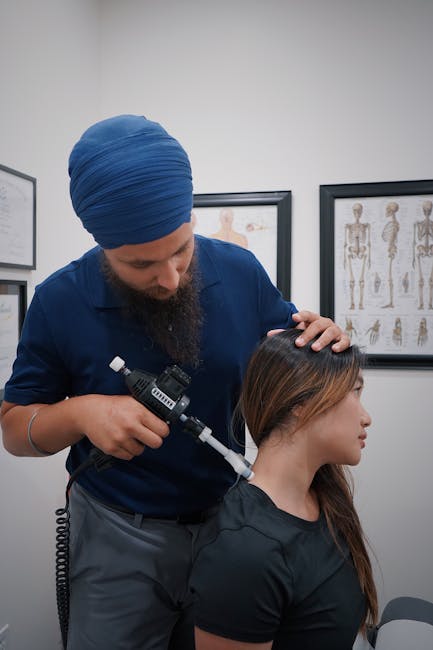
Whiplash is a common injury in North Tonawanda, especially given our active lifestyle, frequent travel between Niagara Falls and Buffalo, and winter driving challenges. Understanding how to manage whiplash after an accident is essential for a faster, safer recovery. Whether you experienced a minor fender-bender on Payne Avenue or slipped on icy sidewalks at Gateway Harbor, knowing the right steps can make a significant difference in your healing process.
What is Whiplash?
Whiplash occurs when your neck is suddenly and forcefully jerked backward and forward, often during car collisions but also through falls and sports injuries. This motion can strain or tear the muscles, ligaments, and tendons in your neck. Common symptoms include:
- Neck pain and stiffness
- Headaches (often at the base of the skull)
- Shoulder or upper back pain
- Fatigue or dizziness
- Difficulty concentrating
Left untreated, whiplash can become chronic, leading to ongoing discomfort and restriction in daily activities.
Immediate Steps to Take After an Accident
If you've been in a car accident on Niagara Falls Boulevard or took a tumble at Gratwick Park, follow these immediate strategies:
- Check for serious injuries first. If you have severe pain, numbness, loss of movement, or confusion, seek emergency care.
- Apply ice to your neck. Use an ice pack for 15-20 minutes every 2-3 hours during the first 24-48 hours. This reduces swelling and pain.
- Rest, but stay mobile. Light activity improves blood flow, but avoid strenuous activities like shoveling snow or heavy lifting at the North Tonawanda Farmers Market.
- Document your symptoms. Keep a journal detailing your pain levels, activities that worsen or improve them, and any additional symptoms. This helps your healthcare provider with an accurate diagnosis.
When to Seek Professional Help
Many North Tonawanda residents tough out injuries, but significant neck pain should not be ignored. Make an appointment with a chiropractor or healthcare provider if you experience:
- Persistent neck pain or stiffness after several days
- Pain radiating into your arms or shoulders
- Weakness, tingling, or numbness in the limbs
- Severe headaches that remain after over-the-counter medication
A local chiropractor can evaluate the extent of your injury. Diagnostic imaging like X-rays or MRIs may be recommended to rule out more serious damage.
Chiropractic Care for Whiplash Recovery
Chiropractic care is a well-established, non-invasive approach for managing whiplash. In North Tonawanda, where many residents enjoy recreational sports at the Ellicott Creek trails or boating on the Erie Canal, quick and effective recovery methods are crucial. Here’s what to expect:
- Spinal adjustments: Gentle, hands-on techniques to restore mobility, reduce pain, and promote healing.
- Soft tissue therapy: Massage, trigger point release, and stretching to ease muscle tension.
- Rehabilitative exercises: Custom routines to strengthen neck and upper back muscles, improving stability and function.
- Home care guidance: Posture tips, advice for safe sleep positions, and ergonomics for home and remote work commonly practiced locally.
At-Home Management Tips
Supporting your recovery with at-home measures is important. Try these strategies:
- Alternate heat after 48 hours: Once initial swelling subsides, use a warm towel or heating pad to relax tight muscles.
- Stay active: Gentle walks along the Erie Canal or light stretching reduces stiffness and encourages healing.
- Ergonomics matter: Set up your workstation at home or the office to avoid poor posture, especially if you’re working remotely from North Tonawanda’s many historic homes.
- Hydration and nutrition: Maintaining good hydration and a nutrient-rich diet supports tissue repair.
- Mind your sleep: Use a supportive pillow and try sleeping on your back to reduce neck strain.
Preventing Future Whiplash Incidents
While accidents can be unpredictable, some preventive habits can minimize your risk:
- Drive safely, especially in winter. North Tonawanda roads can be slick; drive cautiously and beware of black ice.
- Adjust headrests properly: The headrest in your car should align with the top of your head to offer targeted support in case of a collision.
- Condition your neck: Gentle stretches and strengthening exercises, like those suggested by chiropractors, can increase your neck’s resilience to sudden forces.
- Wear appropriate footwear: In icy or wet conditions, use shoes with good traction to prevent slips and falls, especially near local parks and waterways.
Living Well in North Tonawanda During Recovery
Life in North Tonawanda offers plenty of opportunities for gentle, restorative activity. Take advantage of the city’s peaceful neighborhoods, scenic waterfronts, and supportive community spirit:
- Enjoy leisurely walks or gentle cycling on the Empire State Trail.
- Try low-impact yoga or tai chi, offered at local fitness centers or community groups.
- Attend North Tonawanda Library events to keep your mind occupied while your body heals.
Final Thoughts
Managing whiplash after an accident in North Tonawanda is about acting quickly, seeking professional guidance, and following consistent self-care routines. By combining local resources, professional help, and personal commitment, you can return to your favorite city activities feeling stronger and more resilient. If you are ever unsure about your symptoms or recovery progress, consult with a trusted local chiropractor to ensure your healing stays on track.
