
 See Our Latest Article on HelloNation
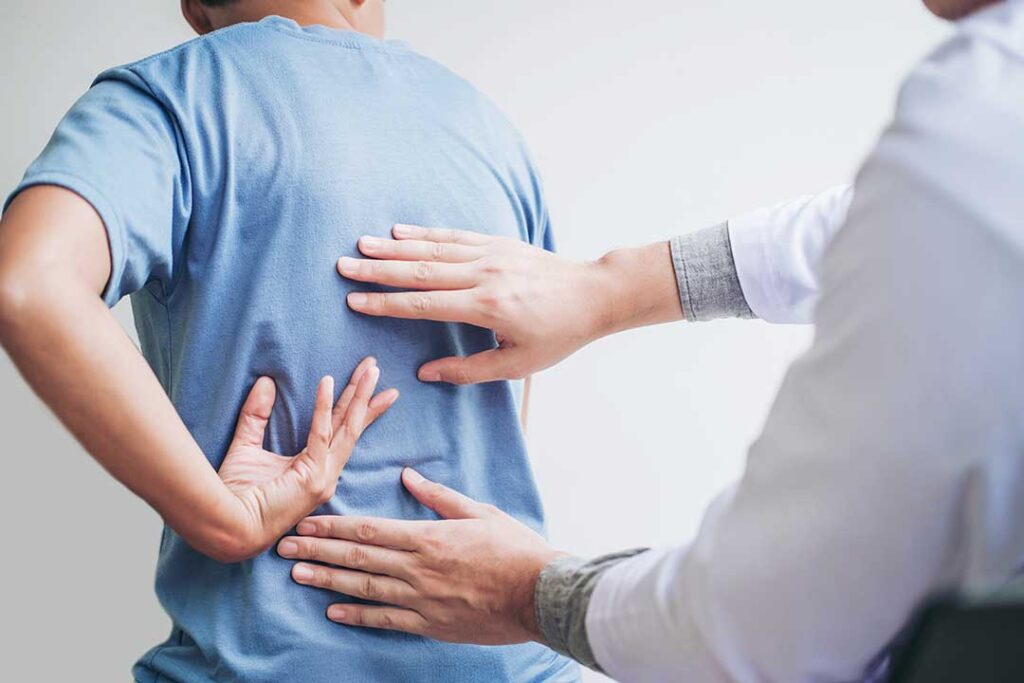
Why Does Back Pain Happen During Pregnancy?
Back pain is a frequent concern for many expecting parents in North Tonawanda, NY. Changes in posture, extra weight, and hormonal shifts all contribute. As pregnancy progresses, the body's center of gravity moves forward, placing added pressure on the lower back and pelvis. The hormone relaxin also causes pelvic ligaments to loosen, making joints less stable. Area residents often find these changes especially noticeable during colder months, when icy sidewalks and snow shoveling can further strain muscles and joints.
Can Good Posture Reduce Pregnancy Back Pain?
Practicing healthy posture habits is one of the simplest and most effective ways to limit back discomfort. Standing and sitting with shoulders back, hips aligned, and feet flat on the ground helps distribute weight evenly. Many area households find that using a supportive chair with a small, rolled towel or lumbar pillow behind the lower back can really make a difference during long periods of sitting.
- Avoid slouching or leaning to one side
- When standing for a while, place one foot on a low stool and swap occasionally
- Keep work surfaces at a height that avoids hunching
Are Gentle Exercises or Stretches Helpful?
Low-impact, pregnancy-safe exercises often help stretch tight muscles and keep joints flexible. Walking on even ground in one of North Tonawanda’s many parks, swimming in local pools, or engaging in prenatal yoga can actively support the lower back. Stretches should be slow and controlled, never forced. Always check with a healthcare provider before starting a new routine during pregnancy.
Simple stretches to try:
- Cat-cow: Start on all fours, gently arch and round your back
- Pelvic tilt: Lying on your back with knees bent, flatten the curve of your lower back against the floor (if medically advised)
- Child’s pose: Kneel and lower your chest toward the floor, keeping knees wide for belly comfort
What At-Home Remedies Can Relieve Discomfort Safely?
Applying gentle warmth such as a hot water bottle (not too hot) or warm towel across the lower back can soothe aching muscles. Area residents often prefer this in winter, when the chill increases muscle tension. Cold packs, wrapped in a towel, may help with swelling or sharp localized pain following physical activity.
Even small daily choices make a difference:
- Wear supportive low-heeled shoes with good traction, especially when walking outdoors in wet or icy months
- Use a body pillow or place a pillow between the knees when sleeping on the side
- Avoid heavy lifting; if necessary, bend at the knees and keep loads close to the body
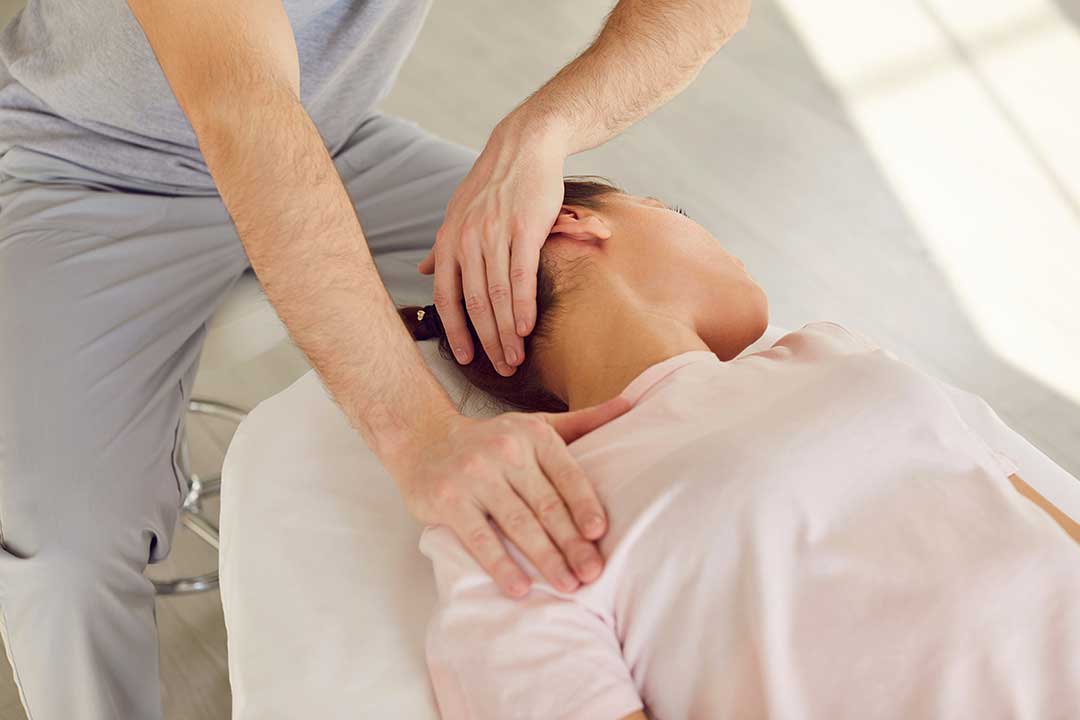
Are There Common Misconceptions About Treating Pregnancy Back Pain?
A frequent misunderstanding among local residents is that complete rest is best. While rest can be important after activity, staying completely inactive often worsens stiffness and slows recovery. Gentle movement, as tolerated, usually leads to better outcomes than prolonged bed rest.
Another misconception is that all back pain in pregnancy is normal or unavoidable. While some discomfort may be expected, severe or persistent pain—especially pain accompanied by numbness, tingling, or weakness—should not be ignored. Any symptoms affecting mobility, bladder or bowel control, or resulting in falls should be discussed with a healthcare provider promptly.
How Can Local Climate and Daily Life Impact Back Pain Solutions?
North Tonawanda’s seasonal changes bring specific challenges. In colder months, slippery walkways elevate the risk for strains or falls, so choosing stable footwear and using caution outside can prevent injuries that might complicate an already sensitive back. During summer, high humidity can make swelling or discomfort feel worse, so staying hydrated and cool supports overall comfort.
Many homes in the community are older and may not have the ergonomic furniture or supportive beds common in newer neighborhoods. Simple additions, such as extra pillows or adjustable lighting to encourage good posture during reading and crafts, can help create a soothing environment for pregnant residents.
When Is It Time to Call a Healthcare Provider About Back Pain?
Most mild to moderate pregnancy-related back pain can be managed at home, but some symptoms require immediate attention. Residents should contact their provider if they experience:
- Pain that is sharp, severe, or does not improve with rest
- Pain radiating down the legs or causing foot weakness
- Problems with balance, walking, or control over bladder and bowels
- Any trauma or fall, especially on slippery surfaces
Answers to these questions support safer decision-making for local families and encourage proactive pain management using trusted strategies tailored for everyday life in the community.
