
 See Our Latest Article on HelloNation
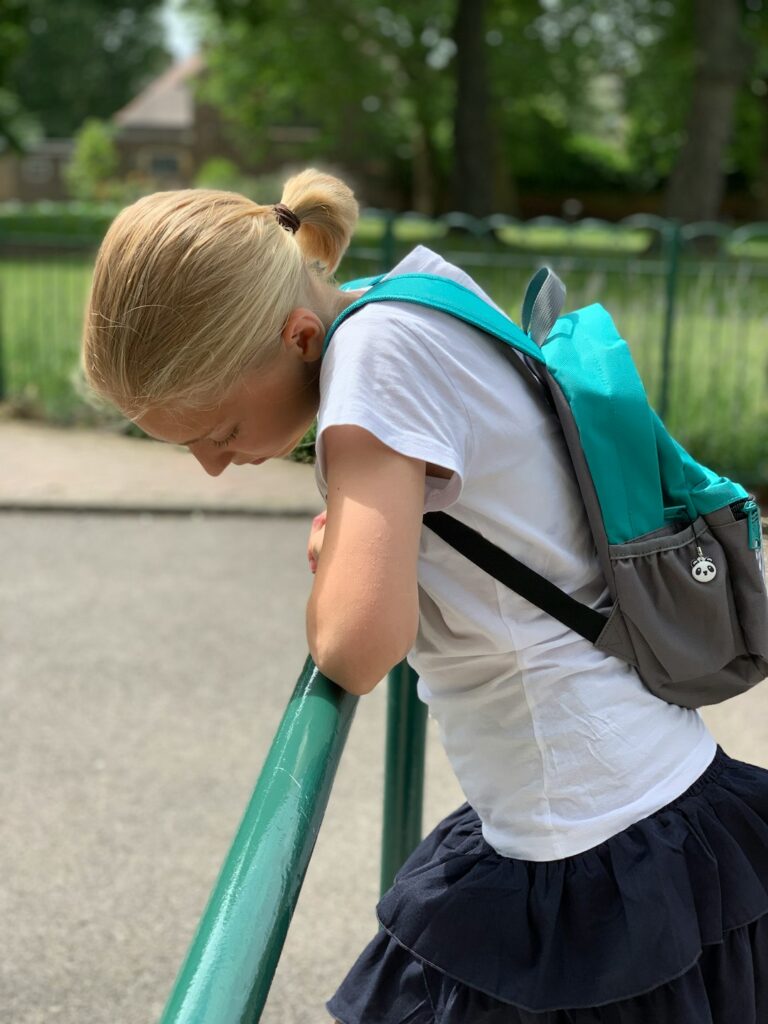
As a parent or educator in North Tonawanda, NY, you know how important it is for students and children to stay healthy—especially during long hours spent reading, studying, or working on digital devices. Our community loves its blend of outdoor fun at Gateway Harbor Park and excellent local schools. At the same time, North Tonawanda kids face challenges unique to modern learning, such as heavy backpacks and increased screen time. Prioritizing ergonomic habits can prevent discomfort now and foster long-term well-being as children grow.
Why Ergonomics Matter for Kids
Ergonomics isn’t just a concern for adults in the workplace. The way children sit, carry their backpacks, and use their electronic devices can lead to:
- Back, neck, and shoulder pain
- Poor posture and slouching
- Fatigue or difficulty concentrating
Developing good posture and movement habits early on sets North Tonawanda kids up for a lifetime of better health—both in school and while enjoying local favorites like the Erie Canal bike paths or fishing at Gratwick Riverside Park.
Ideal Workspace Setup for Students
A comfortable and supportive study environment at home is essential for concentration and spinal health:
Desk and Chair Height
- Kids’ feet should rest flat on the floor, or on a footrest, with knees at a right angle.
- Desk height should allow elbows to rest at about 90 degrees when typing or writing.
- Avoid workspaces that are too high (causing shoulder tension) or too low (leading to hunching).
Monitor and Device Placement
- The top third of the computer screen should be at eye level to prevent neck strain.
- Devices like tablets should be propped up instead of held in laps for long periods.
Proper Lighting
- Position the desk near a window for natural light, but avoid glare on screens.
- Use task lighting for reading and writing, especially during those early North Tonawanda sunsets in winter.
Backpack Safety—A Major Issue in School-Age Children
Many children walk or bike to schools such as Spruce Elementary or North Tonawanda High, often carrying heavy backpacks. The right backpack habits can prevent spinal stress and shoulder issues.
Backpack Tips
- Backpacks should weigh no more than 10-15% of the child’s body weight.
- Choose backpacks with wide, padded straps and always use both straps.
- Pack heavier items closest to the back and utilize all compartments to distribute weight evenly.
- Encourage regular “backpack cleanouts” to remove unnecessary items, lightening the load.
Movement and Breaks Are Just as Important
North Tonawanda’s active outdoor lifestyle is one of its strengths. Kids spending time in Veterans Memorial Park or playing sports are already reaping the benefits of movement—but breaks are essential during long study sessions, too.
Engaging in Regular Breaks
- Use the “20-20-20” rule: every 20 minutes, look at something 20 feet away for 20 seconds to reduce eye strain.
- Encourage children to get up and stretch or walk around for at least five minutes every hour.
- Consider after-school activities like walks along the Tonawanda Creek or bike rides to help kids reset mentally and physically.

Encouraging Good Posture
Parents and teachers can help kids develop postural awareness with simple cues and regular reminders:
- Sit up tall, with ears, shoulders, and hips aligned.
- Avoid slumping, especially when reading or working on a laptop.
- Practice “posture checks” by having kids pretend there’s a string gently pulling the top of their head upward.
Using local activities—such as rowing at the North Tonawanda Rowing Club or participating in dance classes—as “posture role models” can make these lessons fun and relatable.
Ergonomics and Technology Use at Home
Today’s students juggle homework, socializing, and entertainment across tablets, smartphones, and computers. Screen time is inevitable, but ergonomic practices can minimize strain:
- Set up technology zones with supportive furniture and adequate lighting.
- Limit long sessions on handheld devices by encouraging device-free mealtimes or family walks along Webster Street.
- Consider blue light filters or “night mode” settings during evening use to protect eye health.
Staying Ergonomically Healthy Year-Round in North Tonawanda
Seasonal changes in Western New York can influence study routines:
- In winter, check that indoor study areas remain well-lit and encourage kids to bundle up for occasional outdoor breaks—even a brisk walk on snowy sidewalks helps loosen stiff muscles.
- During warmer months, take homework outside to parks or backyard patios, maintaining good chair and table support.
When to Seek Professional Guidance
Most children will thrive with basic ergonomic adjustments and frequent activity. If you notice ongoing complaints of pain, fatigue, or poor concentration, consider consulting a local chiropractor or pediatric healthcare provider. Early interventions can prevent discomfort from developing into chronic issues.
Conclusion
Promoting simple ergonomic strategies can make a big difference for North Tonawanda’s young learners. By encouraging proper posture, balanced backpacks, and frequent movement, we support our children’s well-being in the classroom and beyond. Together, our community can help kids grow strong and healthy—ready to enjoy all that our vibrant city on the canal has to offer.
