
 See Our Latest Article on HelloNation

What Are Mobility Exercises and Why Do They Matter?
Mobility exercises are simple, low-impact movements that support flexibility and range of motion in joints and muscles. For North Tonawanda residents—who often experience weather that keeps people indoors for months at a time—mobility routines can make a practical difference in staying active, reducing stiffness, and supporting daily comfort, particularly during long winters or wet spring periods.
These movements help counteract the effects of frequent sitting, yard work, shoveling, and seasonal inactivity that are common in the city. Regular mobility exercise may also reduce the risk of falls, improve balance, and make tasks like carrying groceries or raking leaves less physically taxing.
Which At-Home Mobility Exercises Are Practical for Local Residents?
Several basic exercises are easy to perform indoors, require no special equipment, and can fit into the routines of most households in North Tonawanda. Residents often seek movements they can do in tight spaces—like a living room or bedroom—and ones that fit the climate, especially on slick, icy, or rainy days.
Consider starting with these practical choices:
- Neck Rotations: Gently turn your head to look over each shoulder, pausing briefly at each side. This can help loosen up after long periods of reading, computer use, or TV watching.
- Shoulder Rolls: Circle your shoulders forward ten times, then backward ten times, to release tension often built up when clearing snow or working at a desk.
- Seated Hip Opener: Sit on a sturdy chair, place your ankle on the opposite knee, and gently press down to open the hip joint. Useful for restoring range of motion after sitting or driving.
- Cat-Cow Stretch: On your hands and knees, gently arch and then round your back. This basic movement helps warm up the spine, especially before outdoor chores or walks.
- Ankle Circles: Hold onto a counter for support, raise one foot, and slowly rotate your ankle in circles. This is especially helpful before outdoor walks, reducing the risk of rolling an ankle on uneven sidewalks.
Repeating these exercises for 5–10 minutes daily can help maintain joint health and comfort through changing seasons.
How Can Mobility Exercises Benefit Common Local Lifestyles?
The community’s mix of family homes, apartments, and senior living settings means resident needs vary. For many, basic mobility movements can:
- Alleviate stiffness from shoveling driveways or raking leaves
- Promote circulation after sitting inside during snowy or rainy weather
- Support parents who play on the floor with children or carry laundry up and down stairs
- Enhance balance and stability for older adults living independently
Even small daily routines—such as standing ankle circles while waiting for the kettle, or neck stretches during commercial breaks—add up for those with busy days or limited time. Residents find consistency is often more effective than intensity.
Are There Precautions to Keep in Mind?
Most people in North Tonawanda can perform these exercises safely, but a few common-sense tips help prevent discomfort:
- Avoid bouncing or sudden forceful movements
- Stop any activity that causes sharp or persistent pain
- Use sturdy support (like a counter or heavy chair) if balance is uncertain
- Dress in comfortable clothing that won’t restrict movement, especially during colder seasons when layering is common
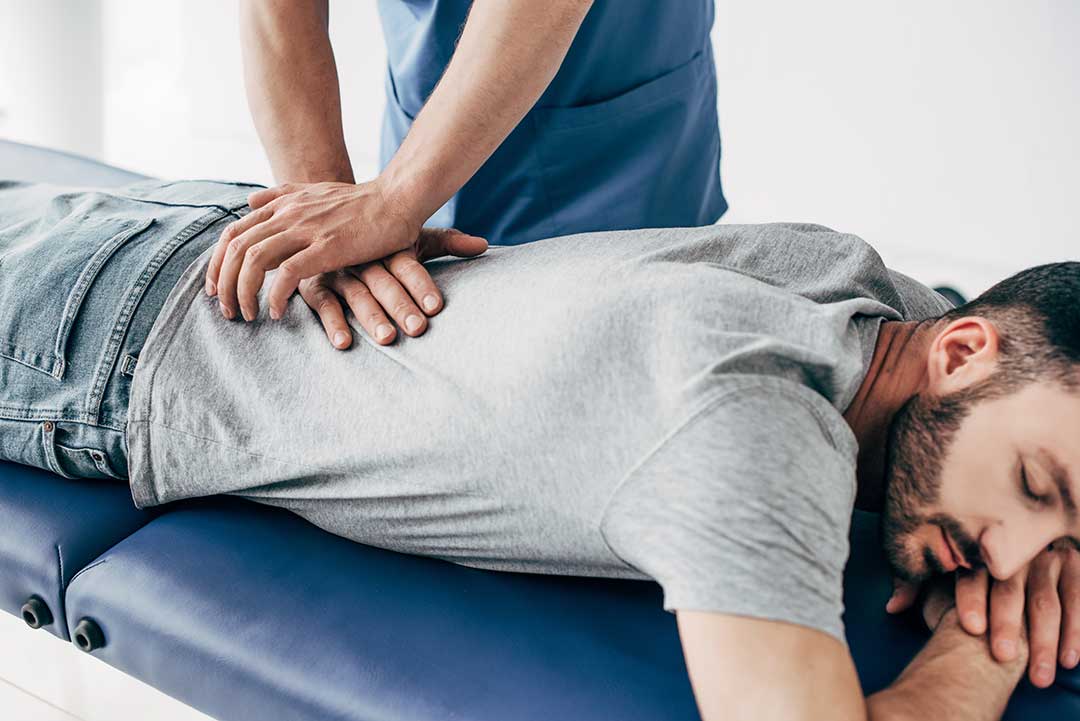
For individuals with recent injuries, significant joint issues, or chronic pain, consulting a trusted healthcare professional to tailor a routine is advisable before starting a new mobility regimen.
Can These Exercises Help With Local Weather Challenges?
Cold winters, wet springs, and icy sidewalks can limit time outdoors for many residents. During extended indoor months, mobility routines provide a gentle way to keep joints healthy. Simple exercises help reduce stiffness that accumulates when the cold discourages outdoor activity. They also gently prepare muscles and ligaments for outdoor activity once conditions improve, lessening the risk of strains when returning to activities like gardening, biking, or dog walking.
A common misconception is that only strenuous exercise is beneficial; however, even gentle daily movements support long-term comfort, especially when outdoor activity is limited by local weather.
How Often Should Area Residents Do At-Home Mobility Work?
Frequency often matters more than duration. Five to ten minutes daily can out-perform more intense, infrequent sessions. Integrating mobility movements into daily routines—such as while heating up food, after reading, or during evening TV—can help make the habit stick.
Residents who spend extra time indoors during winter months, or those recovering from seasonal strains and injuries, may find it useful to perform brief routines twice daily to alleviate stiffness.
A simple approach is to link mobility exercises with daily household tasks—stretch ankles while brushing teeth, do seated hip openers after breakfast, or roll shoulders before heading outside.
What Are Common Mistakes or Misconceptions?
Some residents believe mobility work is only for athletes or those in physical therapy. However, these exercises are appropriate for nearly all ages and abilities in the community. Another misconception is that mobility and stretching are the same thing; while both are gentle, mobility emphasizes moving joints through a controlled range, which supports everyday function and balance.
Trying to progress too quickly or forcing greater range before the body adapts are common mistakes. Instead, focusing on gentle, controlled movement will lead to better long-term outcomes for local residents.
