
 See Our Latest Article on HelloNation
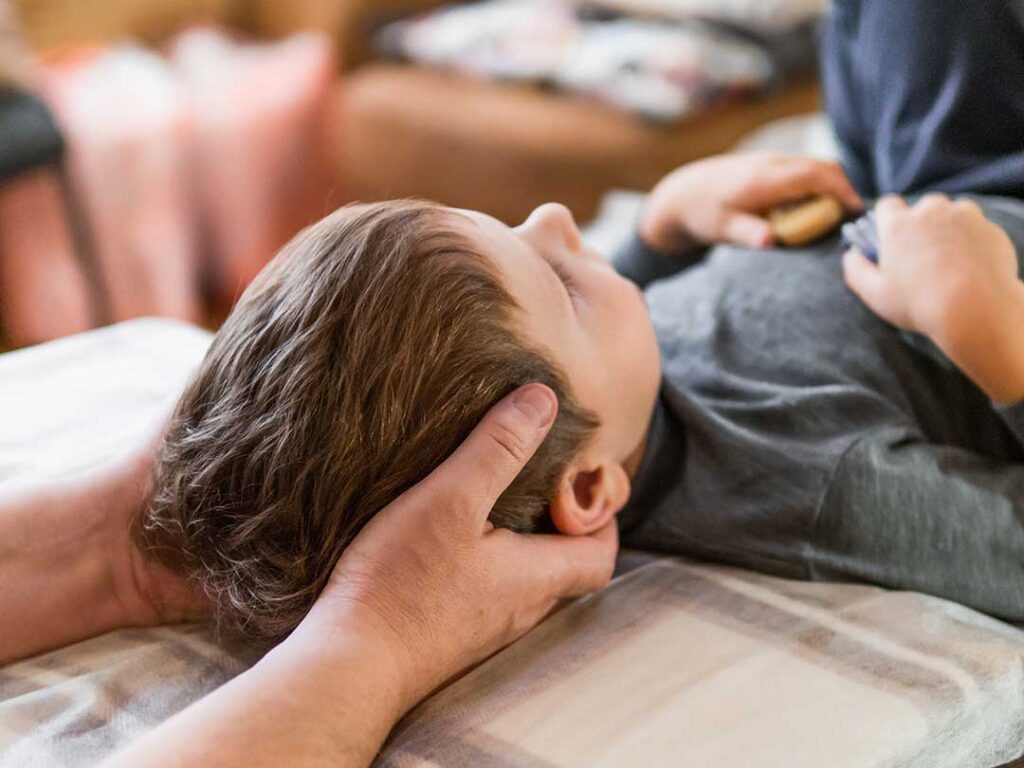
Can chiropractic adjustments help with PMS?
Chiropractic adjustments may help some people who experience back pain, pelvic discomfort, or muscle tension before a period, but current evidence does not show that spinal adjustments reliably treat PMS as a whole. Research specifically on chiropractic care for PMS is limited, and the available findings are considered uncertain or very low quality. ([nccih.nih.gov](https://www.nccih.nih.gov/health/spinal-manipulation-what-you-need-to-know?utm_source=openai))
PMS, or premenstrual syndrome, includes recurring physical, emotional, and behavioral symptoms that appear before menstruation and improve after the period begins. Symptoms can include bloating, breast tenderness, headaches, fatigue, irritability, anxiety, sleep changes, food cravings, abdominal discomfort, and general aches.
For residents of North Tonawanda, NY, the practical question is usually not whether an adjustment can “balance hormones,” but whether it may ease a specific musculoskeletal symptom that happens to worsen before menstruation.
What might an adjustment help with?
A chiropractic adjustment is a form of spinal manipulation that uses a controlled force to move a spinal joint. It is primarily used for musculoskeletal concerns, including some types of back and neck pain. Evidence for those conditions is stronger than evidence for PMS itself. ([nccih.nih.gov](https://www.nccih.nih.gov/health/spinal-manipulation-what-you-need-to-know?utm_source=openai))
If premenstrual symptoms include low-back aching, stiffness, or discomfort related to prolonged sitting, lifting, exercise, or sleep position, a musculoskeletal evaluation may help identify contributing factors. Treatment could involve education, mobility work, exercise, or manual therapy, depending on the findings.
That is different from claiming that an adjustment changes the menstrual cycle, corrects a hormonal imbalance, improves fertility, or treats mood symptoms. Those broader claims are not supported by strong clinical evidence.
What does the research say?
The research base is small. An older randomized trial reported improvement in symptom levels among some participants who received chiropractic therapy that included spinal manipulation and soft-tissue treatment. However, later evidence reviews found that the overall evidence is inconclusive, with too few high-quality studies to establish a dependable benefit. ([pubmed.ncbi.nlm.nih.gov](https://pubmed.ncbi.nlm.nih.gov/11483933/?utm_source=openai))
The National Center for Complementary and Integrative Health reports that only a small amount of high-quality research has examined spinal manipulation for conditions outside the musculoskeletal system. Its summary specifically notes that studies involving menstrual cramps did not show a clear benefit. ([nccih.nih.gov](https://www.nccih.nih.gov/health/spinal-manipulation-what-you-need-to-know?utm_source=openai))
This does not mean that no individual can feel better after treatment. Pain naturally varies from cycle to cycle, and improvements may result from several factors, including movement, relaxation, better sleep, reduced muscle guarding, or attention to an underlying back problem. A personal improvement can be meaningful without proving that chiropractic adjustments treat PMS itself.
Can chiropractic care reduce menstrual cramps?
There is not enough reliable evidence to say that spinal adjustments consistently reduce menstrual cramps. Menstrual cramps are related primarily to uterine contractions and inflammatory chemicals, while spinal manipulation is directed at joints and surrounding tissues.
If the discomfort is located in the low back or hips, manual treatment may address part of the pain experience in some cases. It should not replace evaluation for severe, new, or worsening pelvic pain. Conditions such as endometriosis, fibroids, pelvic inflammatory disease, ovarian cysts, and other gynecologic problems can cause symptoms that resemble ordinary period pain.
Which PMS treatments have better support?
For mild to moderate symptoms, established approaches often begin with tracking symptoms, regular physical activity, adequate sleep, stress-management techniques, and dietary adjustments. The American College of Obstetricians and Gynecologists notes that regular aerobic exercise may lessen fatigue and depression, while relaxation methods such as breathing exercises, meditation, and yoga may help some people. ([acog.org](https://www.acog.org/womens-health/faqs/Premenstrual-Syndrome?utm_source=openai))
Other options may be appropriate depending on the symptoms:
- Nonsteroidal anti-inflammatory drugs may help with pain, but they are not appropriate for everyone.
- Calcium may reduce some physical and mood-related PMS symptoms.
- Magnesium may help with bloating, breast tenderness, or mood symptoms for some people.
- Hormonal birth control or antidepressant medication may be considered for more persistent or severe symptoms.
- Cognitive behavioral therapy and other approaches may help with mood changes and distress.
Supplements can interact with medications or be unsafe in excessive amounts. Advice from a qualified medical clinician is especially important for people who are pregnant, trying to become pregnant, managing kidney disease, taking blood thinners, or using several medications.
When should someone seek medical evaluation?

PMS symptoms deserve medical evaluation when they interfere with work, school, relationships, sleep, or ordinary household activities. A symptom diary kept for at least two or three menstrual cycles can help show whether symptoms follow a consistent pattern. ACOG describes PMS as symptoms that occur during the days before a period, improve shortly after bleeding begins, and recur across cycles. ([acog.org](https://www.acog.org/womens-health/faqs/Premenstrual-Syndrome?utm_source=openai))
Prompt evaluation is appropriate for:
- Severe or sudden pelvic pain
- Very heavy or unusual bleeding
- Fainting, fever, vomiting, or a possible pregnancy
- New neurological symptoms
- Depression, hopelessness, or thoughts of self-harm
- Symptoms that continue throughout the month rather than mainly before menstruation
Severe mood symptoms may indicate premenstrual dysphoric disorder, or PMDD, rather than typical PMS. Depression, anxiety, thyroid disease, migraines, irritable bowel syndrome, and perimenopause can also overlap with premenstrual complaints. ([acog.org](https://www.acog.org/womens-health/faqs/Premenstrual-Syndrome?utm_source=openai))
Is an adjustment safe during PMS?
Spinal manipulation commonly causes temporary soreness, stiffness, headache, or increased discomfort, and these effects generally resolve within a day. Serious complications are rare, but they have been reported. A thorough health history matters, including medications, osteoporosis, inflammatory arthritis, recent injury, neurological symptoms, and pregnancy. ([nccih.nih.gov](https://www.nccih.nih.gov/health/spinal-manipulation-what-you-need-to-know?utm_source=openai))
Neck manipulation deserves particular caution because rare cases of cervical artery dissection have been reported. Anyone who develops sudden severe headache, neck pain, weakness, numbness, trouble speaking, vision changes, or loss of balance should seek emergency medical care rather than undergoing further manipulation. ([nccih.nih.gov](https://www.nccih.nih.gov/health/spinal-manipulation-what-you-need-to-know?utm_source=openai))
For a person considering chiropractic care during the menstrual cycle, the safest expectation is modest and specific: treatment may be considered for a related back or joint complaint after screening, but it should not be viewed as a proven treatment for the hormonal, emotional, or systemic features of PMS.
A balanced way to think about it
Chiropractic adjustments may have a role in managing musculoskeletal pain that occurs before or during menstruation. Evidence is not strong enough to recommend them as a general PMS treatment, and they should complement—not replace—appropriate gynecologic or primary medical care.
A symptom diary, regular movement, adequate sleep, and evidence-based medical guidance provide a more dependable starting point for understanding recurring symptoms in the local community and beyond.
