
 See Our Latest Article on HelloNation
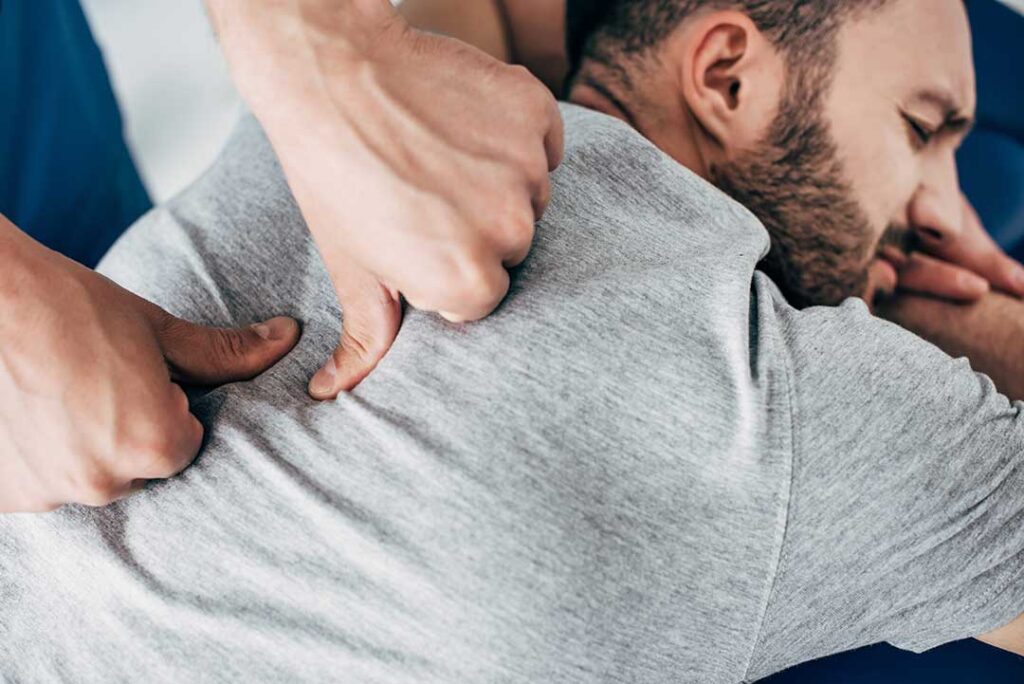
What is the Graston Technique?
The Graston Technique is a form of instrument-assisted soft-tissue mobilization used in some chiropractic and rehabilitation settings. It involves a trained practitioner using smooth-edged, handheld instruments to assess and treat areas of muscle, tendon, ligament, or connective tissue that may feel restricted, sensitive, or less mobile.
The instruments are commonly made of stainless steel and shaped to help detect changes in tissue texture. Treatment may include gentle or moderate strokes across the skin, usually along or across a muscle or tendon. The goal is not to scrape the body or remove toxins. It is to provide a focused mechanical stimulus that may help improve movement, reduce sensitivity, and support an active rehabilitation plan.
How does the technique work?
The proposed effects involve several overlapping factors, including pressure applied to soft tissue, changes in how the nervous system responds to touch, and improved awareness of movement in the treated area. Some practitioners believe the technique may also influence local circulation and tissue mobility.
Research on instrument-assisted soft-tissue treatment has found possible short-term improvements in range of motion, pain sensitivity, or perceived stiffness for certain conditions. However, results vary, and the evidence is not strong enough to suggest that the technique works equally well for every injury or diagnosis.
The instrument itself is not the treatment’s only important component. The assessment, pressure used, timing, patient comfort, and exercises performed afterward can all affect the outcome.
What conditions may be treated?
Instrument-assisted treatment is sometimes included in care for:
- Muscle tightness or restricted movement
- Tendon-related pain
- Repetitive strain injuries
- Scar-tissue sensitivity after healing
- Limited flexibility following an injury
- Some sports or work-related overuse problems
- Stiffness affecting the neck, back, shoulder, elbow, wrist, hip, knee, or ankle
A person’s symptoms may come from several sources at once. For example, discomfort near the elbow could involve the tendon, nearby muscles, joint movement, nerve sensitivity, or the way the arm is being used at work. Soft-tissue work may address one part of that picture but may not be appropriate as the sole treatment.
For residents in North Tonawanda, seasonal activities can also influence symptoms. Shoveling, carrying wet snow, working in a cold garage, spring yardwork, cycling, and increased outdoor activity can all place unusual demands on muscles and tendons. The underlying cause still needs to be considered rather than assuming that every sore area needs instrument treatment.
What does a treatment session feel like?
Most people feel firm pressure, rubbing, or a dragging sensation as the instrument moves over the skin. Areas that are already sensitive may feel more intense. A properly adjusted treatment should be tolerable, and the person receiving care should be able to describe the sensation clearly.
Temporary redness is common because of increased local blood flow and mild irritation of the skin. Some people experience tenderness or bruising for a day or two, particularly when treatment is applied over a sensitive area or with heavier pressure.
Severe pain, rapidly increasing swelling, significant numbness, or symptoms that continue to worsen should not be treated as a normal response. Those signs warrant stopping the treatment and reassessing the problem.
Can it cause bruising?
Yes. Small areas of bruising or discoloration can occur after instrument-assisted soft-tissue work. This does not necessarily mean that the treatment was more effective. Bruising reflects irritation or minor blood-vessel injury near the skin, and more bruising is not a measure of better healing.
People who bruise easily, take blood-thinning medication, have a bleeding disorder, or have certain skin or vascular conditions should discuss those factors before treatment. The amount of pressure and the treatment area may need to be changed, or the technique may not be suitable.
Who should avoid or postpone treatment?
A thorough health history matters before any hands-on treatment. Instrument-assisted care may need to be avoided or modified in areas affected by:
- An open wound, skin infection, rash, or active inflammation
- A recent fracture, dislocation, or surgical procedure
- Suspected blood clot or unexplained swelling
- Severe osteoporosis or fragile skin
- Uncontrolled bleeding or a known clotting disorder
- Significant loss of sensation
- An unexplained mass or rapidly changing area
- Acute injury that has not been evaluated
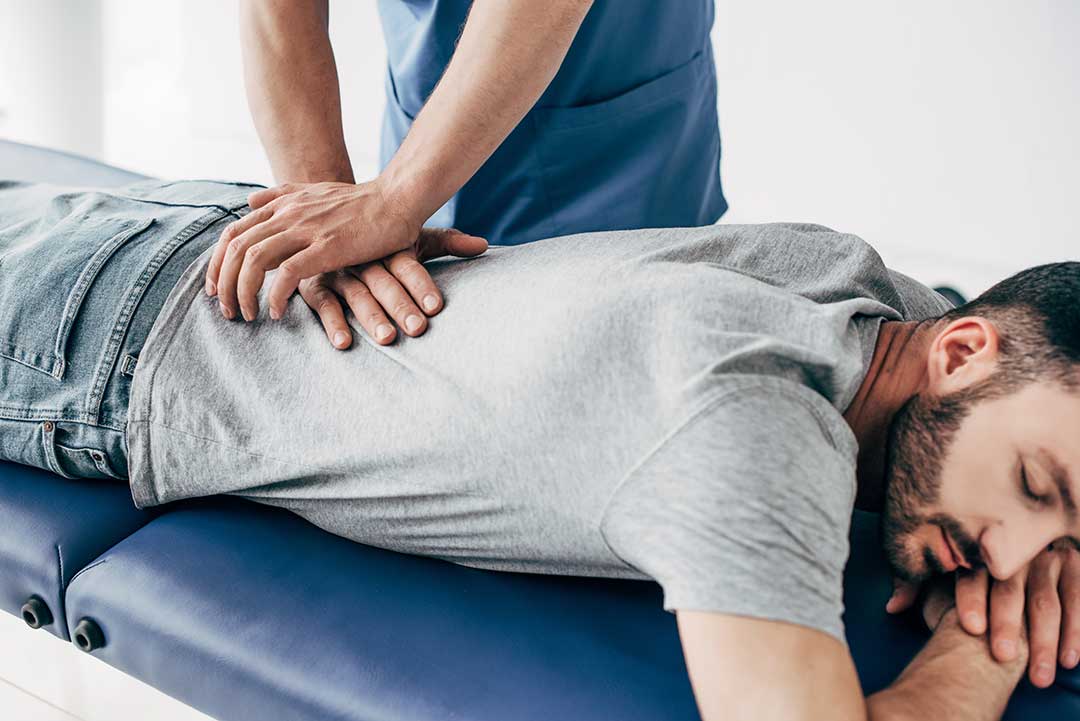
Pregnancy does not automatically rule out manual treatment, but the person’s overall health, symptoms, and treatment area should be considered. Anyone using anticoagulants or medication that affects bleeding should provide that information before care begins.
New weakness, progressive numbness, loss of bladder or bowel control, chest pain, shortness of breath, or sudden severe pain are not appropriate reasons to seek soft-tissue scraping. These symptoms require prompt medical assessment.
Is the technique painful because it is breaking up scar tissue?
Not necessarily. A common misconception is that the instrument physically breaks apart adhesions or scar tissue beneath the skin. Soft tissue is more complex than that, and the instrument cannot be assumed to mechanically separate deep structures simply because discomfort or redness occurs.
A more cautious explanation is that pressure may temporarily change how the nervous system interprets a sensitive area, alter local tissue loading, and help a person move more comfortably. Any longer-term improvement is more likely to depend on gradual exercise, appropriate activity, sleep, and recovery rather than the instrument alone.
What should happen after treatment?
Light movement is often more useful than complete rest after a session. Depending on the condition, aftercare may include gentle stretching, strengthening, walking, controlled joint motion, or a gradual return to normal activity.
A treated tendon or muscle should not immediately be overloaded simply because it feels looser. Temporary pain relief can make it easier to do too much too soon. A sensible plan matches exercise intensity to the tissue’s current tolerance.
Helpful questions after treatment include:
- What activity is appropriate during the next 24 hours?
- Which symptoms are expected, and which are not?
- Should exercise be modified?
- How will progress be measured?
- What finding would indicate that the diagnosis or treatment plan needs review?
How does it fit into chiropractic care?
The Graston Technique is best understood as one possible tool, not a complete treatment system. A well-rounded plan may also include movement assessment, joint mobility work, strengthening, ergonomic changes, education, and gradual exposure to the activities that caused difficulty.
For persistent or recurring symptoms, the central question is not whether an instrument was used. It is whether function is improving over time. Useful measures may include walking tolerance, lifting ability, grip strength, sleep quality, joint range of motion, or the ability to return to household and recreational tasks.
People in the community who are considering this approach should expect clear explanations of the suspected problem, possible benefits, risks, alternatives, and signs that additional medical evaluation is needed. The technique may help some individuals, but it should be applied selectively and as part of a broader, individualized plan.
